

Introduction
Fashion trends come and go at lightning speed, but some clothing pieces seem to become more attractive, meaningful, and stylish as the years pass. That’s the essence of better with age clothing. Instead of looking worn out or outdated, these garments develop personality, texture, and individuality over time. Think about a perfectly faded pair of jeans, a leather jacket with natural creases, or vintage sneakers with subtle scuffs that tell stories from years of adventures. These items don’t lose value with age—they gain it.
Modern consumers are becoming increasingly drawn to fashion that feels authentic rather than mass-produced. According to a 2025 report from ThredUp, the global secondhand apparel market is expected to surpass $350 billion by 2028, showing how strongly people value clothing with longevity and history. This shift reflects a deeper cultural change. People no longer want closets overflowing with disposable items. They want pieces with emotional value, craftsmanship, and timeless appeal.
The phrase “better with age” also represents confidence and self-expression. Clothing that naturally evolves mirrors human experience itself. Wrinkles in leather, fading in denim, and softened cotton fabrics become visual memories, almost like chapters in a personal diary. Instead of hiding imperfections, this style celebrates them. That philosophy has transformed modern fashion, influencing luxury brands, streetwear labels, and sustainable clothing movements alike.
Understanding the Meaning Behind Better With Age Clothing
The Rise of Fashion That Ages Gracefully
The idea that clothing can improve over time may have sounded strange decades ago when flawless, fresh-off-the-rack garments dominated retail culture. Today, however, imperfections are fashionable. Consumers actively seek garments that fade naturally, soften beautifully, and gain character through repeated wear. This growing appreciation for aged aesthetics reflects changing attitudes toward authenticity and individuality.
Social media platforms have amplified this movement dramatically. Vintage outfit creators on TikTok and Instagram showcase decades-old denim jackets, sun-faded hoodies, and worn leather boots as prized possessions rather than outdated relics. Younger generations, especially Gen Z and Millennials, are embracing clothing with visible history because it feels more personal. A perfectly pristine shirt can look generic, while a faded one carries emotion and uniqueness.
Fashion experts often compare aging garments to fine wine or handcrafted furniture. The passage of time enhances quality rather than diminishing it. Japanese selvedge denim is one of the best examples. Enthusiasts wear raw denim for years without washing it frequently, allowing natural fading patterns to develop based on movement and lifestyle. No two pairs age identically. The result becomes deeply personal, almost like wearable artwork.
Luxury fashion houses have also recognized this demand. Brands such as Saint Laurent, RRL, Kapital, and Visvim intentionally create garments designed to evolve over time. They use high-grade materials that react beautifully to wear, ensuring the product develops character rather than deterioration. The popularity of these pieces proves that modern consumers value stories and craftsmanship more than short-lived trends.
Why Consumers Are Moving Away From Fast Fashion
Fast fashion once dominated global shopping culture because it offered affordability and instant trend access. But the downside became impossible to ignore. Cheap materials, unethical labor practices, and mountains of textile waste have pushed consumers toward more sustainable alternatives. Better with age clothing directly opposes the throwaway mentality of fast fashion.
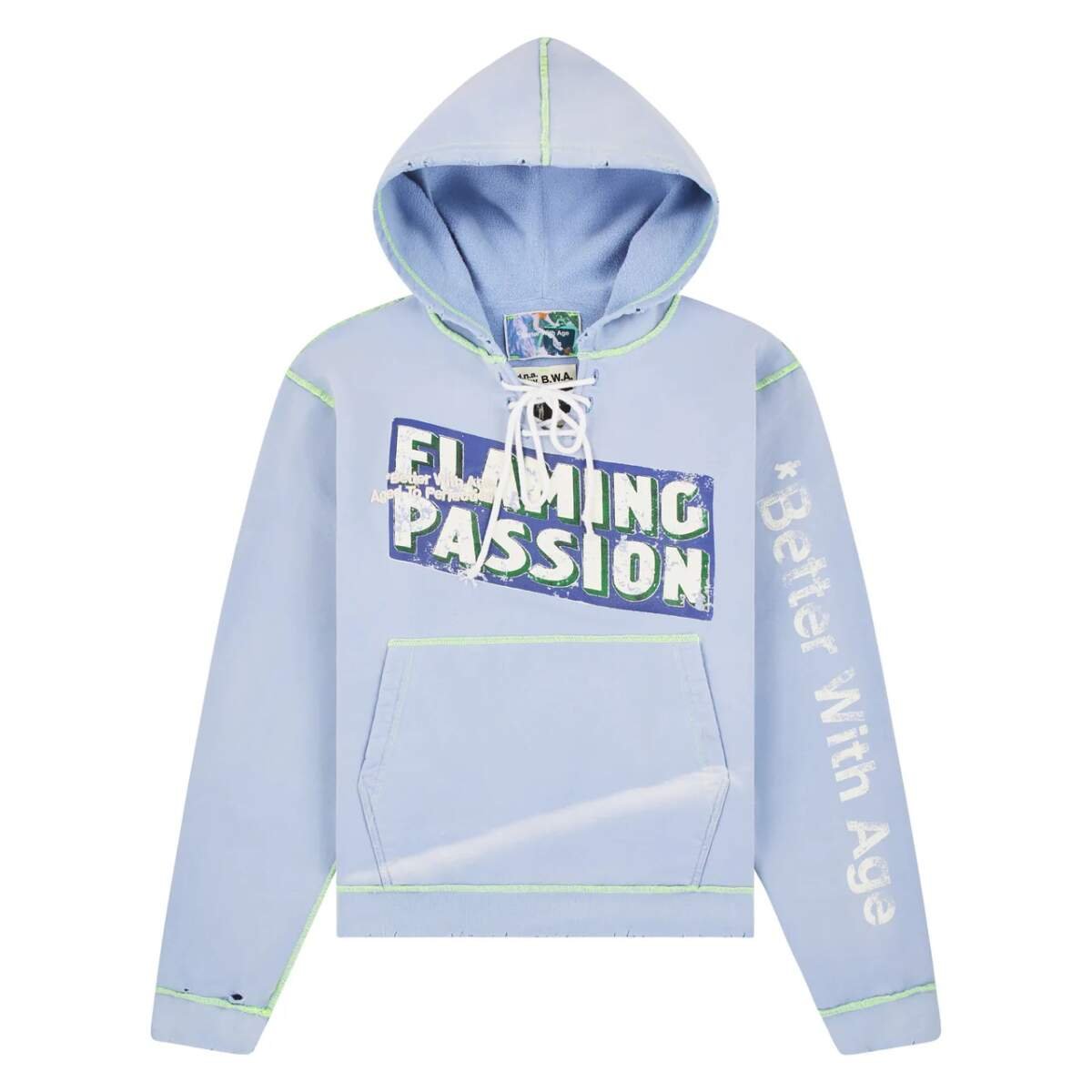
When people invest in durable clothing, they naturally develop stronger emotional connections to those pieces. A leather jacket worn for ten years becomes more than fabric—it becomes part of someone’s identity. Better With Age Shirt Fast fashion rarely creates that emotional attachment because the products are designed for short-term use. Seams weaken quickly, colors fade poorly, and fabrics lose shape after only a few washes.
Environmental concerns also play a major role in this shift. The fashion industry contributes approximately 10% of global carbon emissions, according to the United Nations Environment Programme. Consumers increasingly understand that buying fewer, higher-quality garments can significantly reduce waste. Better with age clothing supports a “buy less, buy better” philosophy that aligns with sustainability goals.
There’s also a financial perspective to consider. While premium clothing often costs more upfront, long-lasting pieces frequently save money over time. A well-made denim jacket that lasts fifteen years ultimately provides better value than repeatedly replacing cheaper alternatives every season. People are beginning to view clothing as an investment rather than disposable entertainment.
The Origins of Vintage and Aged Fashion Trends
How Workwear and Heritage Fashion Influenced Modern Style
The roots of better with age clothing stretch deep into workwear history. Long before fashion designers intentionally created distressed garments, workers relied on durable clothing built to survive harsh conditions. Railroad workers, miners, ranchers, and factory laborers wore heavy denim, canvas jackets, and leather boots because these materials could endure physical labor.
Over time, these garments naturally developed wear patterns that reflected daily life. Denim faded around knees and pockets, leather softened and creased, and canvas jackets acquired marks from years of use. Instead of appearing damaged, these signs of wear symbolized resilience and authenticity. That rugged aesthetic eventually influenced mainstream fashion.
Brands like Levi’s, Carhartt, and Red Wing became legendary because their products aged beautifully under real-world conditions. Vintage collectors now pay thousands of dollars for decades-old workwear pieces because of their craftsmanship and unique aging patterns. A pair of Levi’s from the 1950s, for example, can sell for astonishing prices due to its rarity and naturally distressed appearance.
Japanese fashion culture played a massive role in preserving and elevating heritage fashion. Designers in Japan became obsessed with reproducing classic American workwear using premium materials and traditional manufacturing methods. This movement introduced modern consumers to concepts like raw denim, loopwheel cotton, and vegetable-tanned leather—all materials specifically valued for how they age over time.
Celebrity Influence on Better With Age Clothing
Celebrities have helped transform aged fashion into a global style movement. Hollywood icons such as Steve McQueen, James Dean, and Marlon Brando popularized rugged leather jackets and worn denim decades ago. Their effortlessly cool appearances created an enduring association between aged clothing and confidence.
Today, modern celebrities continue to shape this aesthetic. Kanye West, Travis Scott, Hailey Bieber, and Timothée Chalamet frequently wear vintage-inspired garments featuring faded textures and oversized silhouettes. Luxury streetwear brands now intentionally create “pre-aged” clothing that mimics years of wear right from the store shelf.
Music culture also strongly influences the trend. Rock bands, hip-hop artists, and indie musicians often favor distressed clothing because it represents rebellion and authenticity. Fans naturally adopt those styles, fueling demand for vintage and heritage-inspired fashion.
Interestingly, consumers now value authenticity so highly that genuine vintage pieces often carry more prestige than brand-new luxury items. Wearing a perfectly aged 1990s band tee can feel more fashionable than purchasing the latest designer release. That shift demonstrates how deeply the better with age philosophy has embedded itself into modern culture. Shop Now
Leave a Comment