
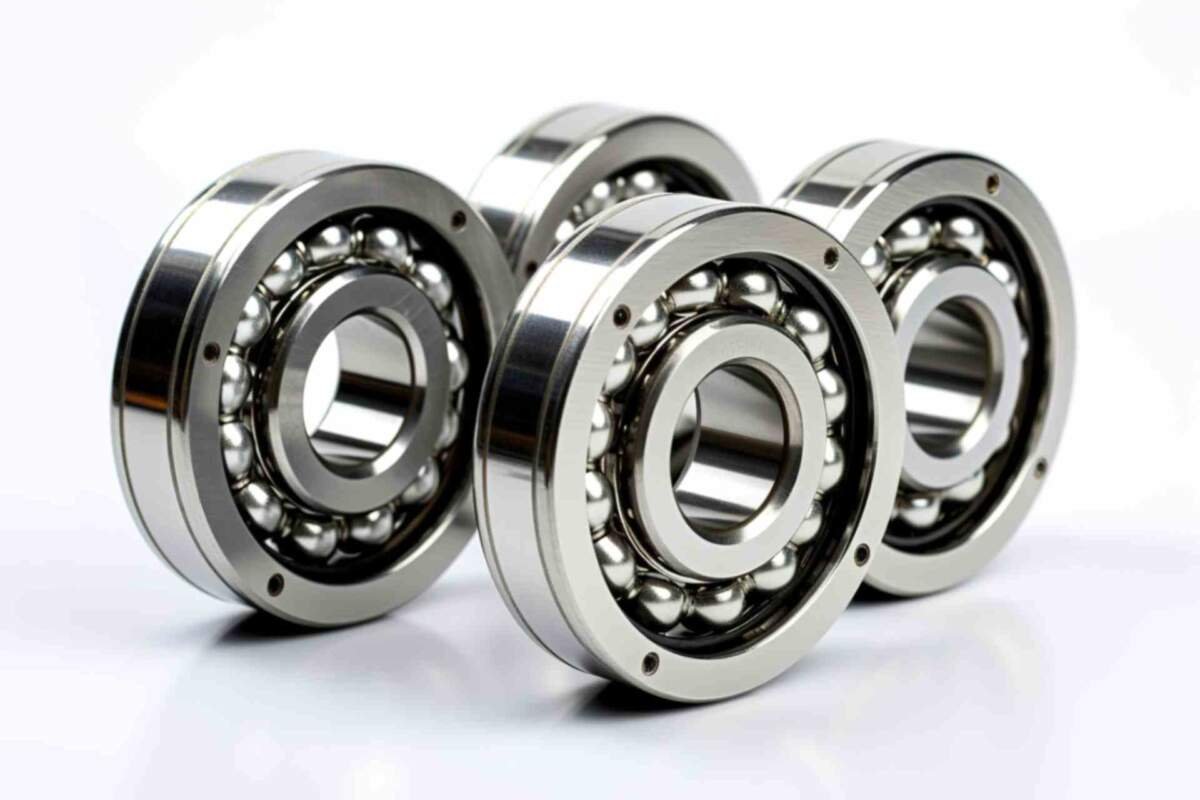

Proper bearing maintenance plays an important role in keeping industrial equipment efficient, reliable, and productive. Machines used in manufacturing, construction, mining, marine applications, and processing industries depend heavily on smooth rotational movement. When bearings are maintained correctly, equipment performance improves, downtime decreases, and operational costs stay under control. Among the many bearing types used across industries, journal bearings are widely valued for their durability, load-carrying capability, and ability to support heavy rotating shafts in demanding environments.
Many industries invest heavily in machinery, but the true value of that investment depends on how well the equipment is maintained. Bearings are constantly exposed to friction, heat, pressure, contamination, and varying operating conditions. Without proper care, even high-quality bearings may lose efficiency over time. Fortunately, consistent maintenance practices can significantly extend bearing life while improving machine reliability and performance.
Understanding the Importance of Bearing Maintenance
Journal bearings are designed to support rotating shafts by creating a thin film of lubricant between moving surfaces. This lubrication reduces direct metal-to-metal contact and helps equipment operate smoothly. Because these bearings are commonly used in high-load and high-speed applications, proper maintenance becomes essential for achieving long service life.
A well-maintained bearing system offers several advantages. It helps reduce unexpected breakdowns, improves energy efficiency, lowers maintenance expenses, and supports stable equipment operation. Businesses that prioritize preventive maintenance often experience better productivity and fewer interruptions in daily operations.
Another major advantage of proper maintenance is improved workplace safety. Machines operating with damaged or poorly lubricated bearings can create vibration, overheating, or sudden failure. By implementing routine maintenance procedures, industries can maintain safer and more dependable operating conditions.
Keep Lubrication at the Correct Level
Choose the Right Lubricant
Lubrication is one of the most important factors in bearing performance. The lubricant creates a protective layer between the shaft and the bearing surface, reducing friction and wear. Selecting the correct lubricant helps bearings operate efficiently under different temperatures, loads, and speeds.
The lubricant should match the machine’s operating conditions. Some environments require high-temperature oils, while others may need lubricants designed for moisture resistance or heavy loads. Using the proper lubricant supports smoother movement and helps maintain consistent machine performance.
Maintain Proper Lubrication Intervals
Even the best lubricant becomes less effective over time. Regular lubrication schedules help maintain optimal bearing protection and reduce unnecessary wear. Following recommended lubrication intervals helps avoid overheating and friction-related issues.
Over-lubrication should also be avoided because excessive lubricant may create heat buildup and increased pressure. A balanced lubrication approach ensures stable operation and improved bearing efficiency.
Monitor Lubricant Quality
Lubricant contamination can negatively affect bearing performance. Dust, moisture, dirt, and metal particles may enter the lubrication system and reduce its effectiveness. Regular lubricant inspections help identify contamination before it causes damage.
Clean lubricant supports smoother rotation, minimizes wear, and extends equipment life. Many industries also use filtration systems to maintain lubricant cleanliness and improve reliability.
Perform Regular Equipment Inspections
Check for Unusual Vibrations
Vibration monitoring is an effective method for identifying early signs of bearing problems. Excessive vibration may indicate imbalance, misalignment, lubrication issues, or wear. Detecting these issues early allows maintenance teams to take corrective action before serious damage occurs.
Routine vibration checks help maintain machine stability and reduce unexpected failures. Consistent monitoring also contributes to smoother equipment operation and better productivity.
Observe Temperature Changes
Temperature monitoring is another valuable maintenance practice. Bearings operating at unusually high temperatures may indicate lubrication problems, excessive friction, or alignment issues.
Regular temperature checks help maintenance teams identify developing problems quickly. Maintaining stable operating temperatures improves bearing performance and reduces the risk of overheating-related damage.
Listen for Unusual Noise
Experienced maintenance personnel often identify potential problems by listening to equipment sounds. Grinding, squealing, or knocking noises may indicate wear or insufficient lubrication.
Early detection through sound monitoring allows repairs to be completed before equipment performance declines. This preventive approach supports longer bearing life and reduces maintenance costs.
Maintain Proper Shaft Alignment
Reduce Uneven Load Distribution
Shaft alignment plays a major role in bearing performance. Misaligned shafts create uneven pressure on bearing surfaces, increasing friction and wear. Proper alignment ensures balanced load distribution and smoother rotation.
Accurate alignment helps reduce stress on machine components and supports stable operation over long periods. Industries that prioritize alignment maintenance often experience improved equipment efficiency and fewer mechanical issues.
Improve Energy Efficiency
Misalignment can increase energy consumption because machines must work harder to overcome friction and resistance. Correct alignment helps equipment operate more efficiently and reduces unnecessary strain on bearings.
Energy-efficient machinery not only lowers operating costs but also contributes to improved overall system performance.
Protect Bearings from Contamination
Use Effective Sealing Systems
Contamination is one of the leading causes of bearing wear. Dust, water, chemicals, and debris can enter bearing systems and interfere with lubrication. Installing effective seals helps prevent contaminants from reaching critical components.
High-quality sealing systems support cleaner operation and improve long-term bearing reliability. Proper sealing also reduces maintenance requirements and extends equipment life.
Maintain Clean Operating Environments
Keeping equipment areas clean helps minimize contamination risks. Regular cleaning routines reduce the buildup of dust and debris around machinery.
A clean operating environment supports better machine performance and improves maintenance efficiency. Organized maintenance practices also make inspections easier and more effective.
Monitor Load Conditions Carefully
Avoid Excessive Loads
Every bearing is designed to handle specific load capacities. Operating equipment beyond recommended limits increases pressure and accelerates wear. Maintaining proper load conditions helps preserve bearing integrity and supports reliable performance.
Load monitoring systems can help identify excessive stress before damage occurs. Controlled operating conditions improve durability and reduce the likelihood of premature failures.
Ensure Smooth Machine Operation
Sudden shocks and rapid load changes can affect bearing stability. Machines should operate under controlled conditions whenever possible. Smooth operation minimizes stress on rotating components and supports longer equipment life.
Industries that focus on stable operating practices often experience improved productivity and reduced repair expenses.
Establish a Preventive Maintenance Program
Create Scheduled Maintenance Plans
Preventive maintenance helps identify minor issues before they become major problems. Scheduled inspections, lubrication checks, alignment verification, and cleaning routines contribute to better equipment reliability.
A structured maintenance plan also helps maintenance teams stay organized and consistent. Regular service intervals improve machine efficiency and reduce unexpected downtime.
Maintain Accurate Maintenance Records
Maintenance records provide valuable information about equipment condition and service history. Tracking lubrication schedules, inspections, and repairs helps identify recurring issues and supports better decision-making.
Accurate records improve maintenance planning and contribute to more efficient equipment management.
Train Maintenance Personnel Properly
Improve Technical Knowledge
Well-trained maintenance personnel play a vital role in extending bearing life. Proper training helps technicians understand lubrication requirements, alignment procedures, inspection methods, and troubleshooting techniques.
Skilled maintenance teams can identify issues early and apply effective solutions quickly. This improves operational reliability and supports consistent machine performance.
Encourage Preventive Maintenance Awareness
Training programs also help employees recognize the importance of preventive maintenance. When maintenance teams understand the benefits of regular inspections and proper operating practices, they are more likely to follow recommended procedures consistently.
A proactive maintenance culture contributes to improved equipment longevity and better operational efficiency.
Use Quality Components and Replacement Parts
Select Reliable Materials
Using high-quality components supports better bearing performance and durability. Reliable materials are designed to handle demanding operating conditions while maintaining smooth functionality.
Quality replacement parts also reduce the risk of compatibility issues and improve equipment stability. Investing in dependable components often leads to lower long-term maintenance costs.
Ensure Proper Installation
Correct installation practices are essential for achieving maximum bearing life. Improper installation may create alignment problems, uneven pressure, or lubrication issues.
Careful installation procedures help maintain stable performance and reduce the likelihood of early wear. Professional installation practices also improve overall equipment reliability.
Optimize Operating Conditions
Control Environmental Factors
Environmental conditions such as temperature, humidity, and dust levels can influence bearing performance. Managing these factors helps create stable operating conditions and reduces stress on machinery.
Controlled environments support better lubrication performance and minimize contamination risks. This contributes to smoother operation and improved bearing longevity.
Maintain Consistent Operating Speeds
Sudden speed changes may place additional stress on bearings. Maintaining steady operating speeds helps reduce friction and supports stable machine performance.
Consistent operation improves efficiency and helps preserve the condition of rotating components over time.
Final Thought
Proper maintenance is one of the most effective ways to improve equipment reliability, reduce operational costs, and extend machinery lifespan. Regular lubrication, alignment checks, contamination control, preventive inspections, and proper operating practices all contribute to smoother performance and long-term efficiency. Industries that prioritize maintenance often experience better productivity, improved safety, and fewer unexpected breakdowns.
By following consistent maintenance routines and investing in quality operating practices, businesses can maximize the performance of journal bearings while ensuring dependable and efficient machinery operation for years to come.
Leave a Comment