

Introduction
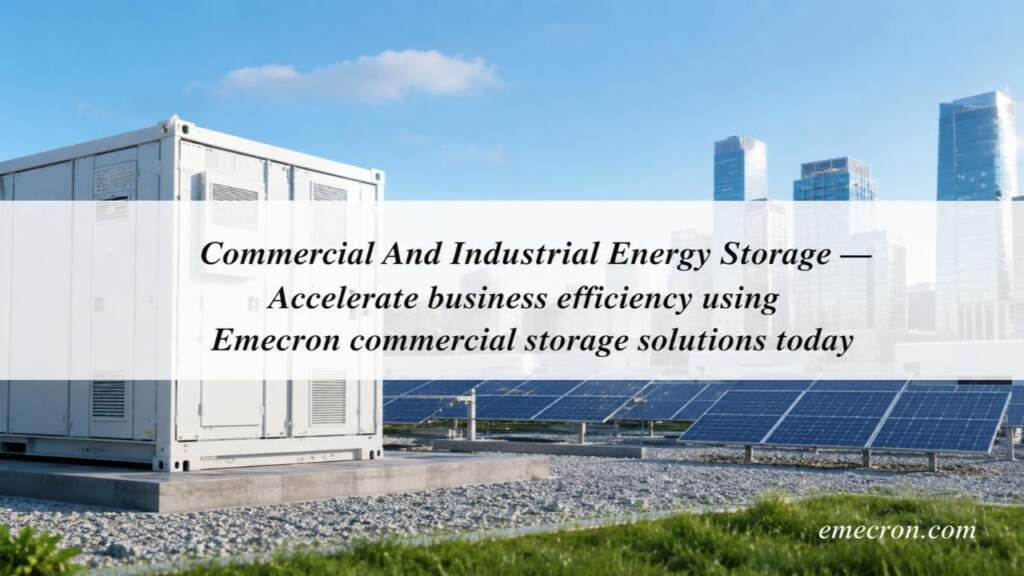
Think about how much we rely on a steady stream of electricity to keep our world moving. For businesses, factories, and large-scale operations, a sudden blackout or a spike in power costs isn’t just annoying—it can completely stall progress. This is exactly where Commercial And Industrial Energy Storage steps into the spotlight. Imagine having a massive, ultra-smart battery system connected to a facility, quietly saving up power when it is cheap or abundant and releasing it the second it is needed most. Far from being just a backup plan for when the lights flicker, Commercial And Industrial Energy Storage acts as a genuine launchpad for business expansion, helping companies stabilize their operations, slash overhead costs, and build a much more sustainable footprint for the future.
Riding the Waves of Unpredictable Power Demands
Every business has its own unique rhythm. A manufacturing plant might draw a massive amount of electricity at 8:00 AM when all the heavy machinery roars to life, while a large cold-storage warehouse might see its power usage peak during the hottest hours of the afternoon. Utilities charge extra during these peak times because the grid is under stress.
By utilizing behind-the-meter storage, companies can essentially bypass these expensive peak hours. Instead of drawing expensive electricity directly from the grid when everyone else is doing the same, a business can run off the energy it stored earlier. It is a lot like buying groceries in bulk when they are on sale, rather than paying premium prices at a convenience store when you are in a pinch. This ability to smooth out spikes in consumption keeps operational budgets predictable and prevents unexpected financial surprises at the end of the month.
Key Features That Drive Operational Success
When you look under the hood of modern energy systems, you realize they are far more than just oversized versions of the batteries inside our smartphones. They are highly intelligent setups designed to manage power dynamically. Let’s look at the core elements that make these systems so effective:
- Intelligent Load Shifting: The system automatically tracks electricity prices and grid demand. It charges itself during off-peak windows (like late at night) and discharges during the day to avoid high tariffs.
- Rapid-Fire Backup Power: If the main grid goes down, these systems kick in within milliseconds. This prevents data loss in office buildings and keeps assembly lines moving without a hitch.
- Renewable Energy Integration: If a factory has solar panels on the roof, the battery captures the extra sunshine generated at noon so it can be used to run night shifts.
- Peak Shaving Capabilities: It flattens the highest peaks of a company’s energy usage graph, which directly lowers the capacity charges that utilities tack onto commercial bills.
Turning Sustainability into a Real Financial Advantage
For a long time, going green was viewed as a luxury or a purely charitable choice for corporations. Many assumed that cutting down on carbon footprints meant sacrificing profit margins. Today, the narrative has completely flipped. Storing energy allows enterprises to maximize their investment in clean power.
When a company pairs solar panels or wind turbines with a robust storage system, they stop wasting the clean energy they generate. Instead of feeding excess power back into the grid for a minimal credit, they keep it in-house. This self-reliance shields businesses from the volatile swings of the fossil fuel market. Consumers and partners also prefer working with brands that actively reduce their environmental impact, meaning a solid energy strategy doubles as an excellent marketing asset.
Building a Future-Proof and Resilient Infrastructure
The modern electrical grid is feeling the strain of an increasingly digital and electrified world. Extreme weather, aging infrastructure, and growing populations mean that power cuts and fluctuations are becoming more frequent. For a commercial enterprise, even a few minutes of downtime can translate into thousands of dollars in lost productivity and ruined inventory.
Investing in a localized storage setup is like buying an insurance policy for your daily operations. It gives management the peace of mind to plan for long-term growth without worrying whether the local utility provider can keep up with their expanding power needs. If a business decides to add new assembly lines, open a new wing, or install a fleet of electric delivery trucks, the stored energy capacity ensures they have the foundational power ready to support that expansion immediately.
Conclusion
At the end of the day, scaling a business requires making smart, forward-thinking choices about infrastructure. Power is the lifeblood of any commercial or industrial venture, and relying solely on traditional grid delivery leaves too many variables out of your control. By taking charge of how electricity is captured, kept, and deployed, companies can protect their bottom line, reduce their carbon footprint, and ensure they never have to hit the pause button due to grid instability. Embracing a tailored energy strategy is no longer a futuristic concept—it is a practical, modern necessity for any brand aiming for sustainable, long-term growth. If you are looking to take complete control of your energy destiny and safeguard your operational future, Emecron provides the innovative, reliable solutions designed to power your success every single step of the way.
Leave a Comment