

When people order sweets, pastries or chocolates they expect them to arrive in the same fresh condition as they were made. Food items are not like regular products. They can melt, break or lose shape very easily. If the delivery is not handled with care the customer experience becomes poor even if the taste is good. Safe delivery is important because it builds trust between the customer and the brand. When someone opens a box and finds broken cookies or melted cream they may not order again.
What problems happen during shipping of delicate treats?
Delicate treats face damage from movement heat and pressure. When boxes are stacked lower boxes can get crushed. Soft desserts lose shape easily under weight. Movement inside vehicles causes items to shift inside packaging. Heat changes the texture of food. Chocolate melts and cream becomes soft. Cold weather can make cakes dry. These changes reduce taste and appearance. Long delivery time also increases risk because food stays outside safe conditions for a longer time.
Poor packaging design adds more problems. If empty space exists inside the box items move and break. Brands try to solve this by using tight fitting boxes and stronger internal support.
How does packaging protect food items?
Packaging keeps food in place and protects from outside pressure. A closed box reduces air and dust contact. Strong material helps hold shape during transport. Inside the box small holders keep items separate so items do not touch each other. Food-safe materials are used so taste does not change. Cardboard and paper-based materials are common choices. These materials stay light and strong enough for transport. Some boxes also have layers inside to reduce movement.
Good packaging also keeps food fresh. Air and moisture entry becomes slower. This helps food stay in usable condition until reaching the customer.
Why is temperature control needed in delivery?
Temperature affects food quality. Heat can melt frosting and chocolate. The cold can make cakes dry and hard. During delivery food passes through different weather conditions so temperature changes happen often. Brands try to reduce risk using insulation materials. These materials slow heat change. In some cases cooling packs are added to keep food stable during travel.
Season changes also matter. Summer brings heat problems while winter brings dryness issues. Because of this brands adjust packaging methods based on weather conditions. Without temperature control even strong packaging cannot fully protect food.
How do brands select packaging materials?
Brands choose materials based on safety, strength and cost. Cardboard is often used because material stays light and holds shape. Material also becomes easy to form into different box sizes. Rigid boxes are used for higher value products. These boxes provide more support and reduce risk of damage. Food-grade approval is important because approval ensures material is safe for direct food contact.
Weight is also considered. Heavy packaging increases shipping cost. Brands try to keep balance between strength and weight. Some also use recyclable materials to reduce waste and meet customer demand for clean packaging.
How does branding connect with packaging safety?
Branding and packaging safety work together. A clean and well-closed box shows care. When customers receive a neat package trust builds in the product inside, food-safe cookie packaging boxes. Simple design is often used because design reduces confusion and keeps focus on food safety. A clear logo helps customers identify brands easily. This creates repeat buying behavior.
Packaging also shares brand messages. A small note or print inside the box can connect with customers. This does not affect safety but improves experience. So packaging becomes both protection and communication.
How do logistics systems support safe delivery?
Logistics systems handle storage and transport. After packaging food is placed in storage areas before shipping. These areas keep products in stable condition.
During transport boxes are placed in ways that reduce movement. Fragile labels are added so workers handle packages carefully. Delivery routes are planned to reduce time in transit.
Tracking systems help monitor delivery progress. Brands can see where packages are and how long delivery will take. This helps avoid delays. Faster delivery reduces risk of damage because food spends less time in changing conditions.
Why is testing important before shipping?
Testing helps brands check packaging strength. Drop tests are used to see if boxes can handle falls. Pressure tests check if boxes can hold weight when stacked. Temperature tests are also done to see how packaging reacts in heat and cold. If packaging fails in tests changes are made before real use.
Quality teams check every batch before shipping. Weak points in material or design are found and fixed. This process reduces chances of damage during real delivery. Without testing problems would only appear after customer complaints.
How do small bakeries manage safe delivery?
Small bakeries use simple methods for safe delivery. Local delivery is often preferred so time stays short. This reduces risk of damage. Packaging is usually basic but effective. Small boxes with inserts are used to hold food in place. Many bakeries pack items by hand to ensure careful placement.
Cost is important for small businesses. Affordable materials are chosen that still protect food. Communication with customers is also used so delivery timing stays clear. Even with limited resources small bakeries focus on care during packaging because customer satisfaction is important for repeat orders.
How does custom packaging improve safety and trust?
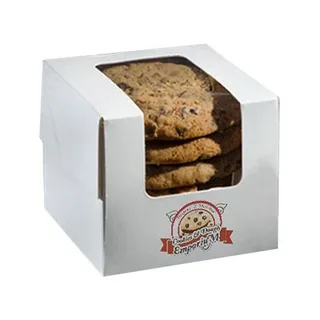
Custom packaging is designed to fit products properly. This reduces empty space inside boxes which lowers movement during delivery. Less movement means less damage. One example is custom cookie shipping boxes which are designed to hold cookies securely without breakage. These boxes often include inserts that keep each cookie in place.
Custom design also improves trust. When customers see packaging made for a specific product, confidence in quality increases.
Why do brands use professional packaging suppliers?
Brands use professional suppliers to get stable quality. These suppliers understand food safety rules and shipping needs. This helps reduce errors in packaging. Professional suppliers also provide better material choices. Knowledge about transport and storage helps reduce product loss.
Cost saving is another reason. Even if packaging costs more at the start, damage and returns are reduced later. This helps business growth. Brands like UPacked help businesses create such packaging solutions. Large quantity production stays consistent without lowering quality which supports business expansion.
What future changes will improve food delivery safety?
Future packaging will focus on safety and environment. Many brands move toward recyclable materials to reduce waste. Smart packaging is also being developed. These packages can show temperature changes during delivery. This helps track food conditions in real time.
Delivery systems are also becoming faster. Shorter delivery time reduces risk of damage. New packaging designs are being tested for better strength and lower weight. In some regions like the USA companies already test advanced systems for food safety. These changes will make delivery more reliable and reduce damage during transport.
Leave a Comment