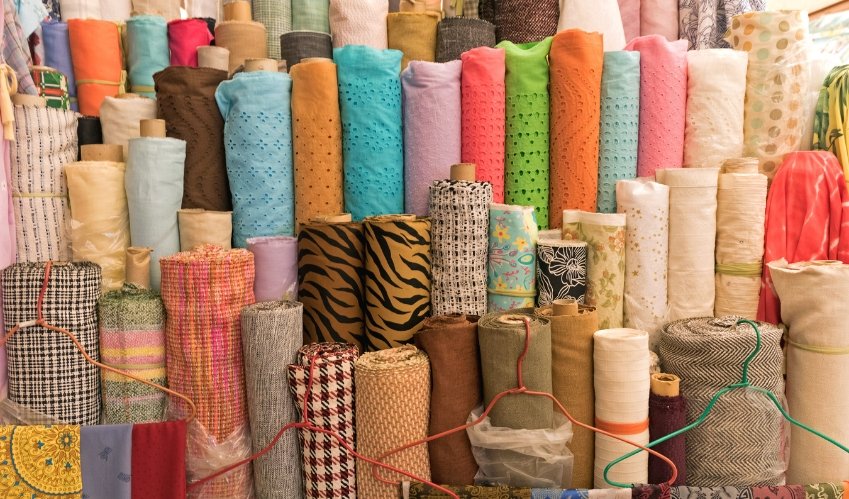

The textile industry plays a vital role in the global economy, serving as the foundation for various sectors including apparel, home furnishings, industrial applications, healthcare, and automotive manufacturing. As consumer demand continues to evolve and technological advancements reshape production processes, the textile market remains one of the most dynamic and influential industries worldwide.
Growing urbanization, rising disposable incomes, expanding fashion trends, and increasing demand for sustainable materials are contributing to the industry’s steady growth. Manufacturers are focusing on innovation, efficiency, and environmentally responsible production practices to meet changing market expectations.
Growing Demand Across Multiple Industries
The textile industry supports a broad range of end-use applications, making it an essential component of modern economies. While clothing and fashion remain major drivers of demand, textiles are increasingly used in sectors such as construction, healthcare, transportation, and agriculture.
The rising global population and expanding middle-class consumer base have contributed significantly to the growing demand for textile products. As living standards improve, consumers are spending more on apparel, home décor, and lifestyle products, creating opportunities for textile manufacturers worldwide.
Additionally, rapid urban development and infrastructure growth are increasing the use of technical textiles in industrial and construction applications.
Market Growth Supported by Expanding Consumer Demand
The textile market continues to experience stable growth driven by rising consumption and expanding industrial applications. Industry estimates indicate that the global textile market attained a value of USD 1023.52 Billion in 2025 and is expected to grow at a CAGR of 3.60% during the forecast period of 2026–2035, reaching approximately USD 1457.79 Billion by 2035.
The growing popularity of fast fashion, increasing demand for functional fabrics, and rising spending on home furnishings are supporting market expansion. At the same time, manufacturers are investing in advanced production technologies to improve efficiency and product quality.
Emerging economies are also playing an important role in market growth due to expanding manufacturing capabilities and increasing consumer purchasing power.
Sustainability Reshaping the Textile Industry
Sustainability has become one of the most influential trends in the textile market. Consumers are becoming more conscious of environmental issues and are actively seeking products made from eco-friendly materials and responsible production processes.
As a result, manufacturers are increasingly adopting sustainable fibers such as organic cotton, hemp, bamboo, and recycled polyester. These materials help reduce environmental impact while meeting growing consumer demand for sustainable products.
Many companies are also implementing water-saving technologies, waste reduction initiatives, and circular production models to improve sustainability throughout the supply chain.
Technological Innovation Driving Efficiency
Technology is transforming textile manufacturing by improving productivity, quality control, and customization capabilities. Automation, artificial intelligence, and digital production systems are helping manufacturers streamline operations and reduce costs.
Advanced textile machinery enables faster production while maintaining consistent quality standards. Digital printing technologies are also gaining popularity, allowing brands to create customized designs with greater flexibility and reduced material waste.
Smart textiles represent another area of innovation. These fabrics incorporate technologies such as sensors, temperature regulation systems, and performance-enhancing features, creating new opportunities across healthcare, sportswear, and industrial applications.
Growth of Technical Textiles
Technical textiles have emerged as one of the fastest-growing segments within the industry. Unlike traditional textiles, these products are designed primarily for functionality rather than aesthetics.
They are widely used in medical products, automotive interiors, construction materials, protective clothing, filtration systems, and agricultural applications. Increasing investments in infrastructure and industrial development are supporting demand for these specialized textile products.
The growing need for high-performance materials is expected to create significant opportunities for manufacturers operating in this segment.
Expansion of E-Commerce and Digital Retail
The growth of online retail has significantly influenced the textile and apparel supply chain. Digital platforms have made it easier for consumers to access a wide variety of products while allowing brands to reach broader audiences.
E-commerce channels provide valuable insights into consumer preferences, helping manufacturers and retailers respond more effectively to market trends. Digital transformation is also improving inventory management, demand forecasting, and customer engagement.
As online shopping continues to grow globally, textile companies are expected to invest further in digital capabilities to remain competitive.
Changing Consumer Preferences
Modern consumers are increasingly prioritizing comfort, durability, sustainability, and functionality when purchasing textile products. This shift is encouraging manufacturers to develop innovative fabrics that offer enhanced performance while meeting environmental expectations.
Athleisure wear, performance apparel, and multifunctional fabrics have gained popularity due to changing lifestyles and increased interest in health and fitness. Consumers are also showing greater interest in personalized and premium textile products that align with their individual preferences.
These evolving expectations are driving continuous innovation across the industry.
Future Outlook for the Textile Market
The future of the textile market will be shaped by a combination of sustainability, technological advancement, and changing consumer behavior. Manufacturers that invest in eco-friendly materials, advanced production technologies, and innovative product development are likely to gain a competitive advantage.
Growing demand from emerging economies, expanding industrial applications, and increasing adoption of smart textiles are expected to create new growth opportunities throughout the forecast period.
As the industry continues to evolve, companies that balance efficiency, innovation, and sustainability will be best positioned to succeed in the global marketplace.
Leave a Comment