
India is now the world’s largest whisky market by volume, consuming over 250 million cases annually. For entrepreneurs and existing brands, the question is not whether to enter this market it is how. Contract manufacturing alcohol India and private label liquor are the two most common production routes. Each suits a different business goal, risk profile, and budget. This post breaks down both models clearly so you can choose the right path before signing any agreement.
What Is the Difference Between Private Label and Contract Manufacturing for Liquor?
Private label liquor means you own a brand and commission a licensed distillery to produce it under your specifications. The formula, recipe, and brand identity are yours. Contract manufacturing, on the other hand, means a distillery produces an existing brand under a formal franchise or licensing agreement from the brand owner.
In simple terms private label builds a new brand; contract manufacturing scales an existing one.
Who Owns the Brand in Each Model?
In private label, the person commissioning production owns the trademark and all brand IP. The distillery is purely a production partner. In contract manufacturing, the original brand owner holds all IP. The manufacturer gets licensed rights to produce and sell within a defined geography. This distinction has major implications for long-term value and exit options.
How Does Revenue Flow Differ?
Private label owners earn full margin on every bottle sold under their brand. Contract manufacturers earn a production fee or royalty per case produced for the licensed brand. Private label has higher upside but also higher risk, since the brand has no existing equity. Contract manufacturing offers stable volumes but capped margins.
Which Model Gives You More Control?
Private label gives complete control over the product flavour profile, packaging, pricing, and distribution strategy. Contract manufacturing operates within the brand owner’s defined standards. Quality protocols, bottle specifications, and pricing tiers are set by the licensor. Manufacturers must comply with those standards consistently.
How Does Contract Manufacturing Alcohol Work in India?
Contract manufacturing alcohol in India works through a formal agreement between a licensed distillery and a brand owner. The distillery produces IMFL or potable alcohol to exact brand specifications. The brand owner controls marketing, while the distillery handles production and local compliance.
The process involves state excise approval, a manufacturing or franchise agreement, and alignment on ENA sourcing, blending ratios, and bottle labelling norms.
What Is the Role of State Excise Policy?
Alcohol in India is a state subject under Schedule VII of the Constitution. Every state has its own excise policy governing who can manufacture, what can be produced, and how it gets distributed. A distillery licensed in Madhya Pradesh, for example, cannot automatically supply to Maharashtra under the same agreement. Each state requires separate regulatory clearance.
What Are the Steps to Set Up a Contract Manufacturing Agreement?
The process typically follows this path: identify a licensed distillery with available capacity, negotiate a production or franchise agreement, submit the agreement to the state excise department for approval, finalise ENA procurement and blending specifications, and get label registration approved before the first production run. Timelines vary by state some approvals take 30 days, others take over six months.
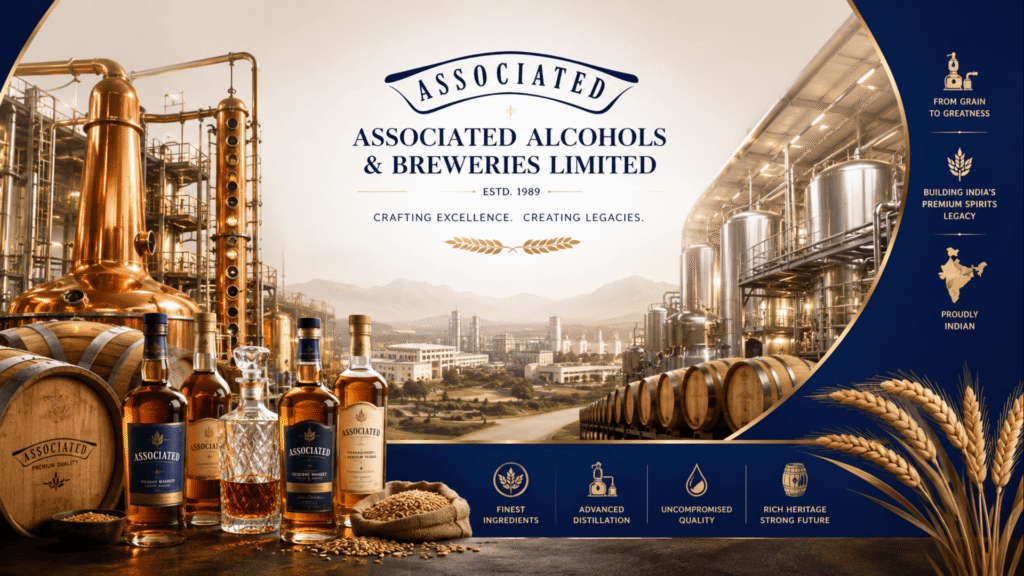
For brands looking to understand how established distilleries structure these partnerships, this overview of alcohol contract manufacturing in India shows the type of brand portfolio a licensed facility typically manages under franchise agreements.
What Does ENA Sourcing Mean for Your Cost Structure?
Extra Neutral Alcohol is the base spirit used in most IMFL products. Its price fluctuates with sugarcane and grain cycles. In a private label model, you may have flexibility to negotiate ENA rates directly. In a contract manufacturing setup, the distillery often manages ENA procurement, which affects per-case production costs. Understanding this dynamic helps you model margins accurately before committing to either structure.
What Are the Legal Requirements for Contract Manufacturing Alcohol in India?
Any contract manufacturing alcohol arrangement in India requires the manufacturer to hold a valid distillery or bottling licence from the relevant state excise authority. The brand owner must hold a trademark registration for the label being manufactured. Both parties need a written manufacturing or franchise agreement registered with the state excise department.
Additional requirements typically include label registration, product approval for each variant, and compliance with the Food Safety and Standards Authority of India (FSSAI) guidelines for potable alcohol.
Do You Need Separate Licences for Each State?
Yes. India has no unified national licence for alcohol production or distribution. If a brand wants to sell across five states, the manufacturing agreement or distribution arrangement must be compliant with excise law in each of those five states individually. This is one of the most underestimated compliance challenges in the Indian alcohol industry.
What Are the Penalty Risks for Non-Compliance?
Operating without proper excise approvals can lead to production stoppages, seizure of stock, and cancellation of the manufacturing licence. Penalties differ by state but can include criminal liability for the distillery principals. Always have a local excise consultant review agreements before execution.
Is Private Label Liquor Profitable in India?
Private label liquor can be highly profitable in India, but profitability depends on scale, state selection, and distribution access. Margins at the brand owner level typically range from 18% to 35% depending on the price segment and state-specific excise duties.
The Indian alcobev market is projected to grow at a CAGR of 7.5% through 2027. That growth creates genuine opportunity for new private label brands, particularly in the premium whisky and craft segment.
Which Price Segment Works Best for Private Label?
The semi-premium and premium IMFL segment (₹500–₹1,500 MRP range) offers the best margin-to-volume balance for new private label brands. The economy segment is dominated by established players with scale advantages that are hard to match. The ultra-premium segment requires strong brand storytelling and is harder to build without distribution relationships.
What Are the Biggest Risks in Private Label?
Brand building from zero takes time and capital. Distribution access in India is controlled most states use government or semi-government wholesale channels. Getting shelf space or distributor priority for a new label is a real barrier. Brands that underestimate distributor margins and state-level listing fees often run into cash flow issues within the first two years.
Conclusion
Contract manufacturing alcohol India and private label liquor are not competing concepts they serve different strategic goals. Contract manufacturing suits established brand owners who want production capacity without building a distillery. Private label suits entrepreneurs who want to own a brand and capture long-term equity. Both models require strong legal groundwork, state-by-state compliance, and a clear understanding of ENA economics and distribution realities. The Indian alcohol market will keep growing. The question is which model puts your business in the best position to grow with it.
We strictly comply with all applicable Government of India excise laws, FSSAI regulations, and state licensing requirements for alcohol manufacturing and distribution.
Leave a Comment