
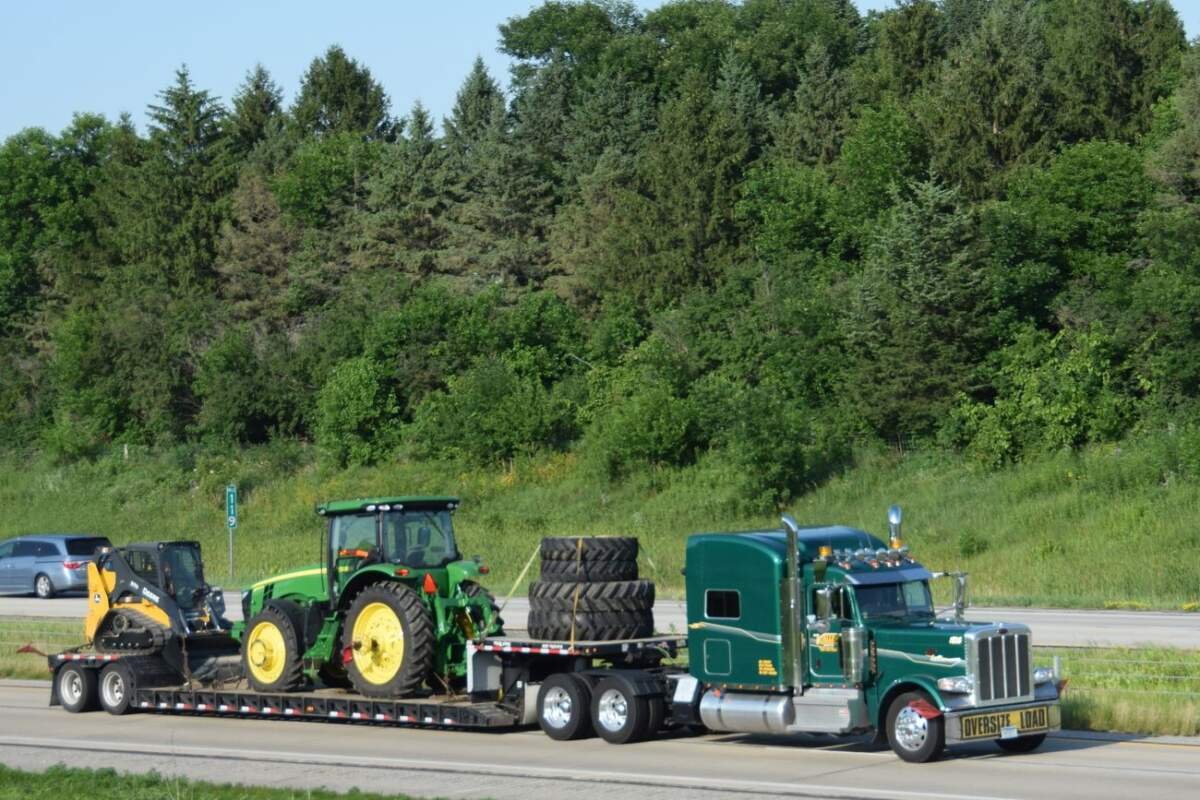

Moving oversized or unusually shaped freight across the United States requires more than a standard trailer. Industries such as construction, agriculture, energy, and manufacturing often depend on specialized transport solutions that can handle tall, heavy, or irregular cargo. This is where step deck trucking plays an important role.
Unlike standard flatbeds, step deck trailers are designed to carry freight that exceeds normal height restrictions while remaining compliant with road regulations. From industrial machinery to construction materials, businesses rely on these trailers to transport loads that simply would not fit on conventional equipment.
Understanding Step Deck Trucking
At its core, step deck trucking refers to freight transportation using trailers built with two deck levels. The front portion sits higher while the rear section is lower, creating additional vertical clearance for cargo.
This design matters because freight moving through the United States must meet highway height regulations. A traditional flatbed trailer may not safely accommodate taller equipment, while a step deck trailer allows additional height without requiring expensive permits in many situations.
Common cargo moved through step deck transport includes:
- Construction machinery
- Agricultural equipment
- Steel products and industrial materials
- Large generators and compressors
- Palletized oversized freight
- Building supplies and prefabricated structures
For shippers, choosing the correct trailer type can significantly reduce delays and compliance issues.
Why Step Deck Freight Requires Specialized Planning
Managing step deck freight is not simply about loading cargo onto a trailer. The process often requires route planning, weight distribution analysis, secure tie-down methods, and timing coordination.
For example, transporting industrial machinery from Texas to Illinois may involve bridge clearances, state-specific transport regulations, and delivery scheduling at restricted job sites. Improper planning can lead to delays, safety risks, or unexpected expenses.
Freight professionals often assess several factors before transport begins:
Cargo Dimensions
Height, width, and weight determine whether a step deck trailer is the correct choice. Oversized dimensions may require permits or escort vehicles depending on the route.
Securement Standards
Heavy freight requires careful balancing and secure fastening to avoid movement during transit. The Federal Motor Carrier Safety Administration (FMCSA) sets cargo securement requirements to help reduce roadway risks.
Route Considerations
Some roads, tunnels, or bridges may not support oversized equipment. Logistics professionals must plan efficient routes to avoid restrictions while maintaining delivery schedules.
These operational details often separate routine transportation from specialized hauling.
The Growing Importance of Dispatching Step Decks
One overlooked aspect of freight transportation is dispatching step decks effectively. Coordination becomes particularly important when carriers handle time-sensitive or oversized shipments across multiple states.
Dispatching involves more than assigning drivers. Experienced logistics teams typically monitor:
- Load availability
- Equipment matching
- Driver scheduling
- Route optimization
- Weather disruptions
- Regulatory compliance
For example, a contractor waiting for oversized steel beams on a construction timeline cannot afford delivery disruptions. Proper dispatch coordination helps minimize downtime and improve operational predictability.
Because step deck trailers are specialized assets, finding suitable loads and maintaining efficient schedules requires industry-specific expertise.
How Step Deck Dispatch Services Support Carriers
Independent owner-operators and small fleets frequently use step deck dispatch services to manage day-to-day logistics. Instead of spending hours searching for loads or negotiating freight rates, dispatch professionals often assist with scheduling and paperwork coordination.
In practical terms, a dispatcher may help:
- Match carriers with suitable freight opportunities
- Coordinate pickup and delivery appointments
- Monitor route changes and weather conditions
- Manage broker communication
- Support compliance documentation
A small trucking company running across multiple regions may struggle to maintain steady freight volume while also handling operational demands. This is one reason many carriers work with a step deck dispatch service to simplify administrative tasks while staying focused on transportation itself.
However, dispatch quality varies widely. Industry professionals often emphasize the importance of experience in trailer-specific freight, particularly when dealing with oversized or high-value cargo.
The Role of a Step Deck Dispatcher in Daily Operations
A knowledgeable step deck dispatcher acts as a bridge between shippers, brokers, and drivers. Their role often includes balancing efficiency with compliance requirements while minimizing costly downtime.
Consider a real-world scenario: a machinery supplier in Ohio needs specialized equipment delivered to Arizona under a strict deadline. A dispatcher may coordinate load timing, verify trailer compatibility, arrange permits if needed, and communicate updates throughout transit.
In many operations, dispatchers are responsible for:
Load Coordination
Selecting freight that matches trailer specifications and driver availability.
Rate Negotiation
Helping carriers secure competitive freight opportunities while maintaining profitable operations.
Problem Resolution
Unexpected weather, route closures, or appointment delays can impact schedules. Dispatchers often help carriers adjust plans quickly.
Administrative Oversight
From rate confirmations to compliance paperwork, documentation remains a major part of freight transportation.
As freight complexity increases, operational coordination becomes more valuable for carriers managing specialized equipment.
What Businesses Should Know About Step Deck Dispatch
Companies shipping oversized products may not always realize how much planning goes into step deck dispatch operations. Transporting heavy or irregular cargo safely requires communication between several parties, including shippers, dispatchers, carriers, brokers, and receivers.
For example, manufacturers transporting industrial components often require precise appointment scheduling because unloading equipment may only be available during specific windows.
In these situations, organized dispatching helps reduce:
- Missed delivery appointments
- Driver idle time
- Route inefficiencies
- Documentation errors
- Equipment mismatches
Within the freight industry, companies such as EverMark Dispatchers are part of a broader logistics ecosystem supporting carriers that operate specialized trailers throughout the United States. While transportation needs differ by shipment type, coordination remains a consistent factor in reliable freight movement.
Choosing the Right Equipment for Specialized Freight
Not every oversized load requires a step deck trailer. Understanding trailer selection can prevent shipping delays and reduce transportation costs.
A standard flatbed may work for freight with lower height requirements, while removable gooseneck (RGN) trailers often suit extremely heavy equipment.
Step deck trailers generally work best for:
- Taller freight exceeding flatbed clearance
- Medium-to-heavy industrial cargo
- Equipment requiring rear ramp loading
- Freight needing easier loading access
For example, forklifts or compact construction equipment may load more efficiently onto step deck trailers because of lower deck height.
Understanding these differences helps businesses avoid mismatched equipment and unexpected logistical complications.
Conclusion
The transportation of oversized and industrial cargo depends heavily on specialized equipment and coordinated logistics. Step deck dispatch services continues to serve an important role across industries that require safe and compliant freight movement throughout the United States.
Whether moving machinery, construction materials, or oversized products, successful transportation often depends on planning, proper trailer selection, and experienced coordination. From managing step deck freight to handling scheduling through dispatch systems, specialized transport requires careful attention to detail.
As freight demands continue evolving, the importance of organized dispatch operations, skilled coordination, and equipment expertise will likely remain central to keeping supply chains moving efficiently.
Leave a Comment