
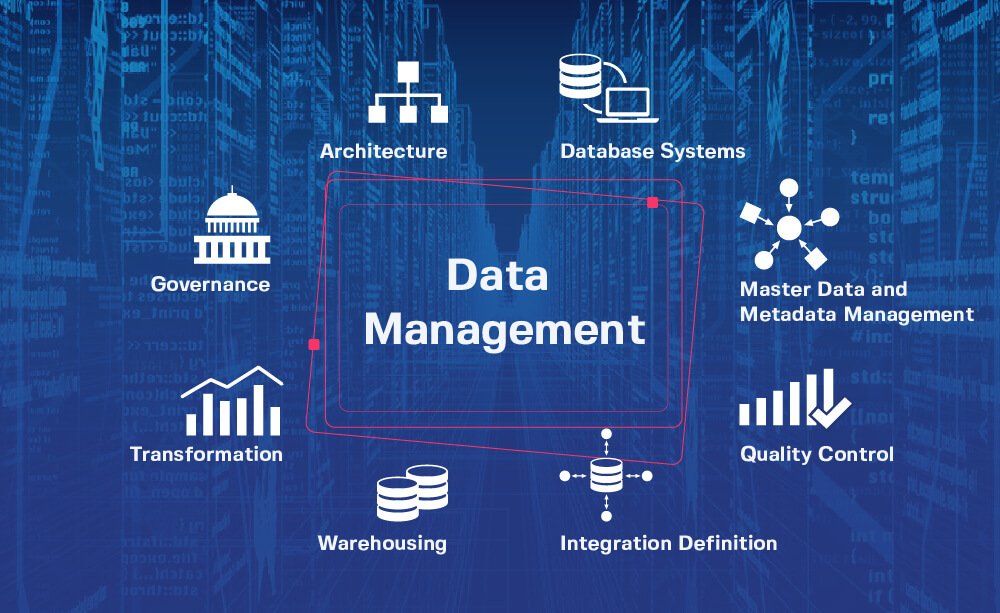

In today’s digital economy, data management in Ethiopia is becoming increasingly important for businesses, government institutions, educational organizations, and healthcare providers. From improving customer experiences to helping organizations make informed decisions, the ability to collect, organize, protect, and analyze data is no longer optional. As Ethiopia continues investing in digital transformation, the conversation around data quality, storage, governance, and skills development is growing rapidly.
Organizations across sectors are now realizing that managing information properly reduces inefficiencies, improves transparency, and supports better planning. Whether a business handles customer records or a university manages student databases, structured data practices matter more than ever.
Why Data Management Matters in Ethiopia
As Ethiopia strengthens its digital infrastructure, organizations are generating more information than ever before. Financial institutions track transactions, hospitals manage patient records, retailers monitor inventory, and government agencies maintain public databases. Without reliable systems, this information can quickly become difficult to manage.
Good data management refers to the process of collecting, storing, organizing, securing, and maintaining information so it can be used effectively. A strong data management strategy ensures that information remains accurate, accessible, and protected from loss or misuse.
For example, an agricultural organization collecting climate and crop data can make better recommendations to farmers when information is organized correctly. Similarly, telecom providers rely on data systems to improve service delivery and customer support.
In Ethiopia, where digital adoption is steadily increasing, data management is becoming a key foundation for innovation and long-term growth.
Common Challenges Facing Organizations
Many organizations in Ethiopia are still in the early stages of digital maturity. While technology adoption is increasing, several barriers continue to affect efficient information handling.
Limited Data Infrastructure
Some institutions still rely heavily on manual systems or fragmented digital records. Information stored in spreadsheets, paper files, or disconnected software often creates duplication and inconsistencies.
For example, a company may struggle with customer information being spread across multiple departments, making reporting difficult and increasing the risk of errors.
Skills and Knowledge Gaps
There is growing interest in digital skills, but many professionals still lack formal training in areas such as data governance, analytics, and database systems. This has increased demand for a data management course Ethiopia professionals can use to improve workplace efficiency and technical understanding.
Training programs are helping employees understand how to maintain organized systems, improve reporting accuracy, and comply with emerging digital standards.
Security and Privacy Concerns
As digital records grow, so does the need for stronger cybersecurity practices. Businesses handling sensitive customer information must understand how to secure databases and manage access permissions.
A healthcare provider, for example, must ensure that patient information remains confidential while still allowing authorized staff to retrieve records when needed.
The Role of Data Management Companies
Organizations often require technical support to build efficient systems. This is where data management companies play an important role. These firms help businesses structure databases, improve reporting systems, migrate information to cloud environments, and implement data governance frameworks.
In Ethiopia, sectors such as banking, education, healthcare, logistics, and telecommunications are increasingly seeking expert guidance to manage growing volumes of information.
For example, a retail company expanding into multiple cities may require a centralized database system to track inventory, sales performance, and customer purchasing patterns. Without structured systems, scaling operations becomes difficult.
Reliable information management also helps organizations reduce operational inefficiencies and improve decision-making.
Understanding Master Data Management
One important concept gaining attention globally is master data management. This process focuses on creating a single, accurate source of essential business information across departments.
In many organizations, different teams may store conflicting versions of the same information. For instance, sales teams, finance departments, and customer support units might each maintain separate customer records. This creates inconsistencies that affect reporting and operations.
With master data management, organizations establish standardized information that everyone uses. This improves consistency, accuracy, and collaboration.
Imagine a logistics company operating in Addis Ababa with multiple branches. If every department uses different supplier details or inventory records, confusion becomes unavoidable. A centralized approach ensures that every team works from the same trusted information source.
As Ethiopian businesses grow more digitally connected, master data strategies are expected to become increasingly valuable.
Growing Demand for Data Skills and Training
The demand for digital professionals is increasing across Ethiopia. Businesses want employees who can work confidently with information systems, reporting tools, and digital platforms.
This has contributed to growing interest in a data management course, especially among students, IT professionals, business managers, and analysts seeking career growth.
A strong learning program often covers areas such as:
- Data organization and governance
- Database fundamentals
- Information security basics
- Data quality improvement
- Reporting and analytics
- Compliance and privacy practices
Educational institutions and professional training providers are gradually expanding opportunities in this area. For example, organizations like CounselTrain have contributed to professional education discussions by helping learners understand evolving digital competencies relevant to workplace environments.
Training is particularly useful for professionals working in finance, administration, supply chain management, healthcare systems, and public sector operations where accurate information handling directly affects performance.
Practical Applications Across Industries
Data management is not limited to large corporations. Its practical value extends across multiple sectors in Ethiopia.
Healthcare
Hospitals and clinics depend on structured patient records to improve diagnosis, scheduling, and treatment continuity. Well-managed databases reduce medical errors and improve service delivery.
Education
Universities and schools manage student records, attendance, assessments, and admissions data. Organized systems make administration more efficient and improve reporting.
Agriculture
Agricultural organizations increasingly use weather patterns, market information, and crop production data to support farmers and improve productivity.
Banking and Finance
Financial institutions rely heavily on accurate information systems to process transactions, monitor compliance, and reduce fraud risks.
Government Services
Public institutions managing citizen information benefit from organized systems that improve transparency and service delivery.
As digital transformation accelerates, organizations that invest in proper systems are likely to experience stronger operational efficiency and better long-term planning.
The Future of Data Management in Ethiopia
Ethiopia’s digital landscape is evolving rapidly. Increased internet access, cloud technology adoption, and digital business models are creating new opportunities and responsibilities.
Organizations can no longer view information management as an isolated IT task. It is becoming a business-wide responsibility that influences performance, trust, and operational success.
The future of data management in Ethiopia will likely depend on stronger digital literacy, better infrastructure, skilled professionals, and improved governance practices. Businesses that prioritize organized information systems today are better positioned to adapt to tomorrow’s challenges.
As industries continue modernizing, effective data handling will remain central to decision-making, efficiency, and sustainable growth. Understanding how data works, how to manage it responsibly, and how to improve information quality is becoming an essential capability across Ethiopia’s growing digital economy.
Leave a Comment