

Introduction
If you’ve ever walked past a busy construction site or peeked inside a manufacturing workshop, you’ve likely seen massive, flat sheets of dark steel waiting to be cut, welded, or bolted into place. These heavy-duty steel sheets, commonly known in the industry as MS Plates, serve as the foundational backbone for everything from massive ocean vessels and highway bridges to the simple metal brackets holding up your garage shelving. But if you are stepping into the world of fabrication for the first time, trying to order the right materials can feel incredibly overwhelming. Choosing the perfect piece isn’t just about picking a random sheet of metal; it requires a basic understanding of how these items are measured and the slight variations that happen during their manufacturing. Navigating the world of MS Plates requires looking past the shiny surface and understanding the specific dimensions and allowable deviations that will make or break your project.
Finding Your Perfect Match: The Basics of Thickness and Dimensions
When you first start looking at these steel sheets, the absolute first thing you need to figure out is the physical size. Thickness is the most critical factor here because it dictates exactly how much weight the steel can support without bending or buckling under pressure.
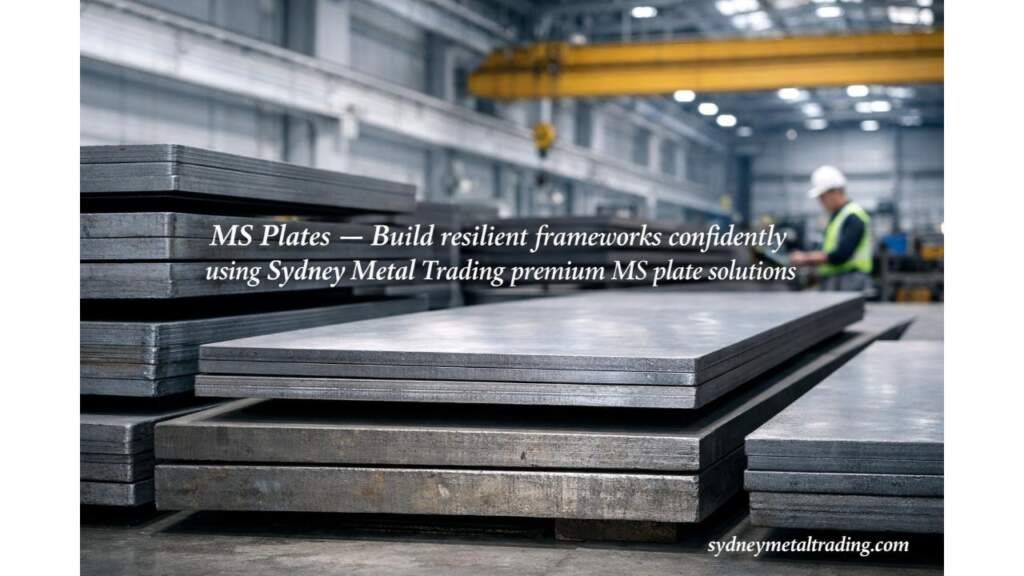
In the metal world, you’ll generally find these sheets categorized into a few distinct buckets based on how thick they are:
- Light Gauge Sheets: These are the thinner options, often just a few millimeters thick. They are easy to bend and cut, making them perfect for car bodies, metal boxes, and light decorative work.
- Medium Thickness: A step up, usually ranging from 5mm to around 25mm. This is the sweet spot for everyday structural work, truck trailers, and general machinery platforms.
- Heavy Armor Plates: Anything thicker than an inch (25mm) falls into this heavyweight category. You’ll see these beasts used in massive bridges, high-rise building foundations, and heavy industrial equipment where failure is not an option.
Beyond how thick the metal is, you also have to consider the length and width. Standard warehouse sizes usually come in massive footprints like 4×8 feet or 5×10 feet. If you are building something small, you will need to plan for cutting pieces down, which means factoring in the waste material created by the saw or laser cutter.
The Rule of Flexibility: Understanding Manufacturing Tolerances
Here is an insider secret that surprises most beginners: a 10mm steel plate is rarely exactly 10.00mm thick. Because of how steel is heated, rolled, and cooled in massive industrial mills, there are always tiny variations. This is where the concept of dimensional allowances comes into play. Think of it as the acceptable « wiggle room » agreed upon by manufacturers and engineers worldwide.
If a mill rolls out a sheet that is supposed to be 12mm thick, but it actually measures 12.2mm, is it ruined? Not at all. As long as that variation falls within the industry’s strict standard guidelines, it is considered perfectly safe and usable. However, if you are building high-precision machinery where gears need to align perfectly, a variation of even half a millimeter could throw your whole project out of alignment. On the other hand, if you are just welding a heavy bumper for an off-road truck, those tiny differences won’t matter in the slightest.
Understanding these allowable deviations keeps you from pulling your hair out when your measuring tape shows something slightly different than what was written on your invoice. It’s not a defect; it’s just the natural reality of shaping hot iron.
Practical Steps: How to Avoid Costly Ordering Mistakes
When you are ready to open your wallet and place an order, you want to make sure you get it right the first time. Steel is heavy, and shipping it back because you made a math error is an expensive nightmare.
To keep your project on track, follow this simple checklist before talking to a supplier:
- Analyze the Load: Consider exactly how much weight the metal needs to support. When in doubt, it is always safer to go slightly thicker rather than risk a structural collapse.
- Check the Environment: Will your steel be sitting out in the rain, or will it be safely tucked away indoors? Raw steel rusts quickly, so factor in whether you will need to paint, coat, or treat the surface afterward.
- Confirm Your Cutting Tools: Thicker steel requires specialized plasma cutters or heavy-duty torches. Make sure your workshop tools (or your fabricator’s tools) can actually handle the thickness you are buying.
- Account for the Wiggle Room: Always ask your supplier about their specific thickness variations so you can adjust your design blueprints accordingly.
By taking a few minutes to run through these points, you save yourself a massive amount of stress and ensure that the material delivered to your door is exactly what your project demands.
Conclusion
At the end of the day, picking out the right steel sheets doesn’t require an advanced engineering degree. It just takes a little patience, a clear understanding of your project’s dimensions, and a respect for the natural variations that happen during the steel manufacturing process. By keeping an eye on thickness categories and remembering to plan for manufacturing deviations, you can confidently walk into any metal yard and speak the language of the pros. When you are ready to source the highest quality materials for your next big build, the team at Sydney Metal Trading LLC is always here to help you find the exact fit for your needs.
Leave a Comment